
Introduction
Cooking doesn’t have to be complicated. Many people think that delicious meals require dozens of ingredients and long hours in the kitchen. But that’s not true. With just a few simple ingredients, you can create meals that are full of flavor, satisfying and easy to make.
In 2026, the focus is on simple, wholesome, and fast meals. Whether you are a busy professional, a student or a parent, these recipes save time and stress without compromising taste. In this guide, we will show you the best simple meals with a few ingredients that taste amazing. Each recipe is designed to be easy, quick, and suitable for beginners, yet delicious enough to impress family and friends.
Cooking with fewer ingredients also means less waste, lower grocery costs, and easier meal prep. These meals are flexible, so you can adjust them based on what you have in your kitchen. Let’s explore these simple, flavorful recipes and make your cooking effortless in 2026.

Ingredients List
For most simple meals, you don’t need a long list of ingredients. Here’s a list of versatile items that you can mix and match to create different dishes:
- Chicken breast or thighs: Lean and easy to cook, perfect for main dishes.
- Pasta or rice: Quick to cook and pairs well with vegetables, meats, or sauces.
- Fresh vegetables: Tomatoes, spinach, bell peppers, carrots, or zucchini. Add color and nutrition.
- Garlic and onions: Essential for flavor. Minced or sliced works well in most recipes.
- Olive oil or butter: For sautéing and adding richness.
- Salt and black pepper: Basic seasonings that enhance flavor.
- Herbs: Basil, oregano, parsley, thyme – fresh or dried. Herbs make simple meals taste gourmet.
- Cheese: Optional, but adds richness and creaminess. Parmesan, mozzarella, or cheddar works best.
- Eggs: Ideal for quick meals like omelets, fried rice, or frittatas.
- Canned beans or lentils: Great for vegetarian or protein-rich meals.
Pro Tip: Keep a few pantry staples like canned tomatoes, pasta, and spices. They help you create a meal even on busy days with minimal shopping.
Step-by-Step Cooking Method
Here’s a detailed example of a simple meal you can make with few ingredients.
Recipe Example: Garlic Butter Chicken with Vegetables
Step1: Prepare Ingredients
Wash all vegetables thoroughly. Chop tomatoes, bell peppers, and spinach into bite-sized pieces. Cut chicken into small cubes. Mince garlic and slice onions thinly. Having everything ready makes cooking smoother and faster.
Step 2: Cook Chicken
Heat a pan over medium heat with 1–2 tablespoons of butter or olive oil. Add chicken pieces and cook for 6–8 minutes, turning occasionally until golden brown and fully cooked inside. Avoid overcrowding the pan so the chicken cooks evenly.
Step 2: Cook Vegetables
In the same pan, add garlic and onions. Sauté for 1–2 minutes until fragrant. Then add chopped vegetables. Cook for another 5–7 minutes until they are tender but still slightly crisp. Stir occasionally to prevent burning.
Step 3: Combine & Season
Add the cooked chicken back to the vegetables. Season with salt, pepper, and herbs. For extra flavor, add a squeeze of lemon juice or a dash of chili flakes. Cook for 2–3 more minutes to blend the flavors.
Step 4: Serve
Serve hot with cooked rice, pasta, or fresh bread. Optional: sprinkle grated cheese or fresh parsley on top. A small drizzle of olive oil before serving enhances the taste.
Extra Tip: This meal is also perfect for meal prep. Make extra and store in airtight containers for quick lunches or dinners during the week.
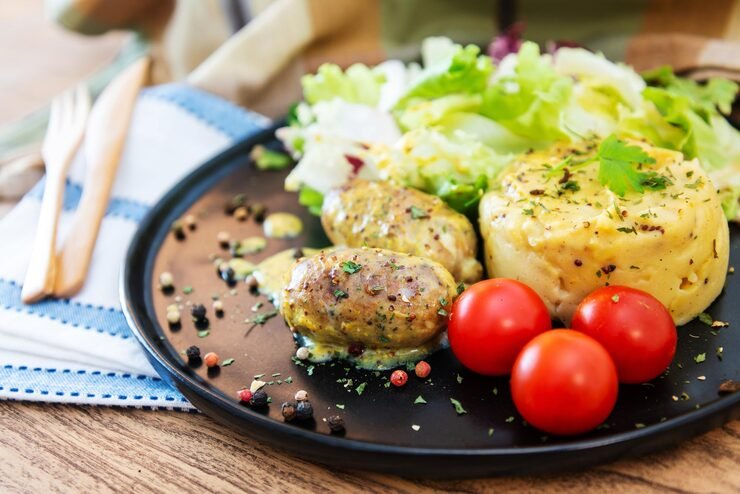
Cooking Tips
Cooking simple meals with few ingredients can be very effective if you follow some practical tips:
- Prep first, cook later: Chop and measure everything before turning on the stove. It saves time and prevents mistakes.
- Taste while cooking: Add salt and spices gradually. Tasting ensures the flavors are balanced.
- Use fresh herbs: Fresh herbs like parsley, basil, or coriander make a big difference compared to dried herbs.
- Even chopping: Cut vegetables and meat into uniform sizes. They cook evenly and look appealing on the plate.
- Non-stick pans: These reduce the chance of sticking and make cleaning easier. A good-quality pan is worth the investment.
- One-pan meals: Reduce cleanup and cooking time by cooking meat and vegetables together in one pan when possible.
- Batch cooking: Cook in larger quantities, freeze portions, and reheat later. This saves time on busy days.
Pro Tip: Simple doesn’t mean boring. Play with spices, herbs, and sauces to make each meal exciting.
Variations (Optional)
Simple meals can be customized in many ways. Here are a few variations for the Garlic Butter Chicken recipe:
- Vegetarian Version: Replace chicken with tofu, paneer, or mushrooms. You can also add beans or lentils for extra protein.
- Spicy Version: Add chili flakes, fresh chili, or a dash of hot sauce to kick the dish.
- Creamy Version: Stir in 2–3 tablespoons of cream, yogurt, or coconut milk for a richer, smoother taste.
- Mediterranean Twist: Add olives, sun-dried tomatoes, and feta cheese for a Mediterranean flavor.
- Low-Carb Version: Serve with cauliflower rice or sautéed zucchini instead of pasta or regular rice.
Cooking tip: Experimenting with small ingredient changes can create a brand-new flavor profile without needing additional ingredients.
Serving & Storage Tips
Serving and storing your meals properly keeps them fresh and tasty:
- Serve immediately: Simple meals taste best when served fresh and hot.
- Refrigerate leftovers: Store in airtight containers in the fridge for 2–3 days.
- Reheat gently: Use medium heat on the stove or microwave to avoid overcooking.
- Freezing tips: Freeze extra portions in airtight containers for up to 1 month. Thaw in the fridge before reheating.
- Presentation: Garnish with fresh herbs, a squeeze of lemon, or a sprinkle of cheese to make meals look more appetizing.
Pro Tip: Proper storage reduces food waste and ensures you always have a quick meal ready.
Nutrition Info (Approximate per serving)
Here’s an idea of what you get from one serving of Garlic Butter Chicken with Vegetables:
- Calories: 350–400 kcal
- Protein: 25–30 g
- Carbohydrates: 20–25 g
- Fat: 15–18 g
- Fiber: 3–5 g
- Vitamins: A, C, K from fresh vegetables
Note: Nutrition values may vary based on exact ingredients and portion size. Using olive oil instead of butter slightly lowers saturated fat. Adding more vegetables increases fiber and vitamin content.
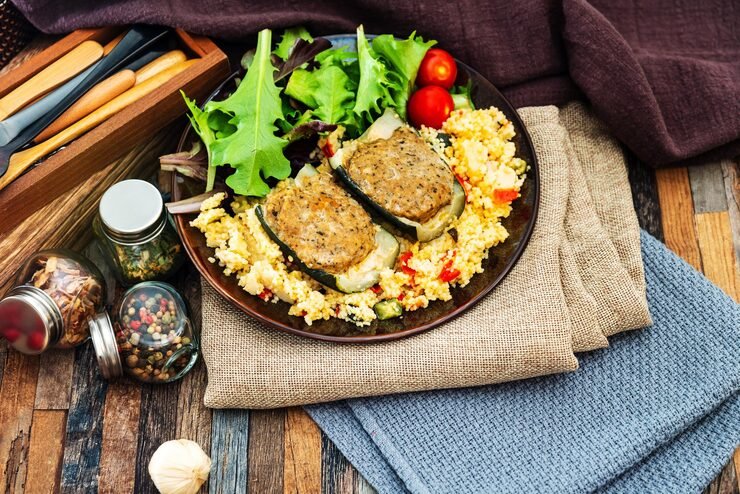
FAQs
1. Can I use frozen vegetables instead of fresh ones?
Yes, frozen vegetables work well. Adjust cooking time slightly to avoid overcooking and preserve texture.
2. Can I make this recipe vegan?
Absolutely. Replace chicken with tofu, tempeh, or mushrooms, and use plant-based butter or oil.
3. Is this recipe suitable for meal prep?
Yes. Cook a larger batch, portion it, and store it in the fridge for quick lunches or dinners during the week.
4. Can I cook this in one pot?
Yes. Using a large skillet or sauté pan for both chicken and vegetables reduce cleanup and simplifies the process.
5. How can I make it spicier without changing the flavor too much?
Add chili flakes, black pepper, or a small amount of hot sauce during cooking. You can also include fresh chili for an authentic spicy taste.
Conclusion
Simple meals with few ingredients can be incredibly delicious, nutritious, and easy to prepare. By focusing on fresh, high-quality ingredients, basic cooking techniques, and smart seasoning, you can enjoy flavorful meals without the stress and hassle of complicated recipes. These meals are not only quick to make but also versatile, allowing you to mix and match ingredients based on what you have in your kitchen or your personal taste preferences.
In 2026, cooking trends are increasingly moving towards simplicity, speed, and flexibility. People want meals that are healthy, satisfying, and require minimal effort. These simple recipes show that you don’t need dozens of ingredients, expensive kitchen tools or long cooking times to enjoy amazing, restaurant-style flavors at home. You can customize these meals by adding your favorite herbs, spices, or proteins, making them unique every time you cook.
Remember, cooking is about more than just feeding yourself; it is about experimenting, exploring flavors, and creating joyful experiences in the kitchen. Sharing meals with loved ones brings people together, strengthens bonds, and makes even the simplest dishes feel special. With these simple meals, you can save time, reduce food waste, spend less money, and still enjoy healthy, delicious, and satisfying food every day. Cooking doesn’t need to be complicated sometimes the simplest dishes are the most memorable.