
In recent months, a humble Venezuelan dish has quietly made its way onto American breakfast tables, brunch menus, and social media feeds. Arepas — golden, round corn cakes that are crispy on the outside and soft inside — are quickly becoming one of the most talked-about breakfast foods in the United States. Once known mainly within Latin American communities, arepas are now being embraced by food lovers across the country, from New York cafés to California home kitchens.
So what’s driving this sudden rise in popularity?
A Simple Dish with Endless Possibilities
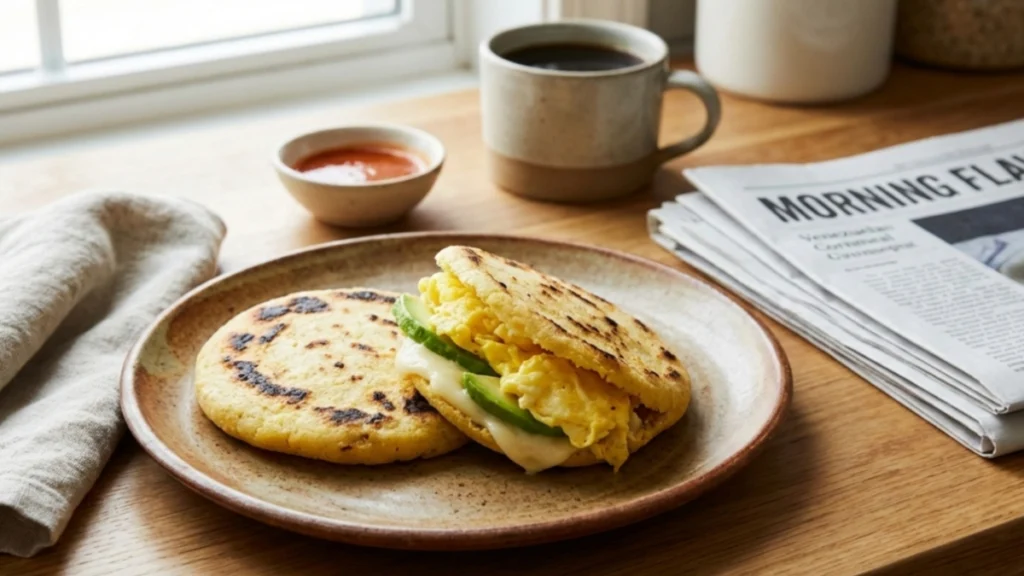
At their core, arepas are made from just three ingredients: pre-cooked corn flour, water, and salt. This simplicity is part of their appeal. In an era where many Americans are looking for clean, gluten-free, and minimally processed foods, arepas fit perfectly into modern breakfast trends.
What truly sets arepas apart, however, is their versatility. They can be split open and stuffed with almost anything — eggs, cheese, avocado, beans, shredded chicken, or even smoked salmon. Whether someone prefers a hearty, protein-packed breakfast or a light vegetarian option, arepas easily adapt.
Food bloggers and chefs often describe arepas as “the Latin American answer to toast or bagels,” but with more flavor and texture.
Venezuelan Roots, American Reinvention
Arepas have been a staple in Venezuelan households for generations, commonly eaten for breakfast and dinner. Traditionally, they are filled with local favorites like queso blanco, shredded beef, or scrambled eggs known as perico. As Venezuelan immigrants settled in the U.S., they brought these traditions with them.
What’s new is how American kitchens are reimagining the dish. In the U.S., arepas are now being filled with trendy ingredients like plant-based proteins, organic eggs, kale, and artisanal cheeses. Some cafés even serve sweet breakfast arepas with honey, berries, or nut butter.
This fusion of authentic roots and modern flavors has helped arepas cross cultural boundaries.
A Boost from Social Media and Food Trends

Social media platforms, especially Instagram, TikTok, and YouTube Shorts, have played a major role in pushing arepas into the spotlight. Short cooking videos showing arepas puffing up on a hot skillet or being stuffed with colorful fillings regularly rack up millions of views.
Hashtags related to gluten-free breakfasts, Latin food, and easy homemade meals often feature arepas. Many creators highlight how beginner-friendly they are, making them attractive to home cooks who want something new without complicated steps.
Food trend analysts note that Americans are increasingly curious about global comfort foods — dishes that feel both exotic and familiar. Arepas hit that sweet spot perfectly.
Health-Conscious Appeal
Another key reason for the rise of arepas is their alignment with health-focused eating habits. Naturally gluten-free and often cooked with little oil, arepas are seen as a lighter alternative to pancakes, pastries, or processed breakfast sandwiches.
Nutrition-conscious consumers appreciate that arepas can be filled with whole, fresh ingredients, allowing for balanced meals without added sugars or preservatives. This makes them especially popular among fitness enthusiasts and families looking for healthier breakfast options.
Restaurants and Grocery Stores Take Notice
As demand grows, restaurants and grocery brands are responding quickly. Venezuelan arepa-focused eateries are opening in major U.S. cities, while mainstream restaurants are adding arepa-based breakfast items to their menus.
Grocery stores are also stocking pre-made arepas and corn flour brands that were once hard to find outside specialty shops. This increased availability has made it easier for Americans to try arepas at home, further fueling the trend.
More Than a Food Trend
For many Venezuelan Americans, seeing arepas celebrated in the mainstream is deeply meaningful. It represents cultural recognition and a positive spotlight on a cuisine that has long been overlooked.
Food critics suggest that arepas are not just a passing trend but part of a larger shift toward embracing diverse global breakfasts. As Americans continue to explore flavors from around the world, arepas are well-positioned to remain a breakfast favorite.
The Future of Arepas in the U.S.
With their simplicity, adaptability, and rich cultural background, arepas are more than just another viral food moment. They reflect how global traditions can blend seamlessly into American food culture.
As more people discover how easy and satisfying arepas can be, this Venezuelan classic is likely to hold its place as a beloved breakfast staple — proving that sometimes, the most exciting food trends come from the simplest recipes.