
Introduction
Smoothies have become one of the most popular healthy drinks in the world. In 2026, more people than ever are choosing smoothies as part of their daily routine. They are quick to prepare, easy to digest, and full of nutrients. Many people drink smoothies for breakfast, after workouts, or as a light meal during busy days.
At the same time, many people are moving away from dairy products. Some avoid milk because of lactose intolerance. Others follow a vegan lifestyle. Some people simply do not like the taste of milk in smoothies. Because of these reasons, the demand for smoothies without milk has grown a lot.
The good news is that milk is not necessary for making a delicious smoothie. You can easily prepare a smooth, creamy, and refreshing smoothie without using milk or yogurt. With the right fruits, liquids, and blending techniques, a milk-free smoothie can taste just as good, or even better.
In this complete guide, you will learn how to make a smoothie without milk using simple ingredients available at home. This article explains everything in detail, from ingredients and steps to tips, variations, nutrition, and common questions. Whether you are a beginner or someone looking for healthier options in 2026, this guide will help you make the perfect dairy-free smoothie.

Ingredients List
One of the best things about a milk-free smoothie is flexibility. You can use different fruits and liquids based on your taste, diet, and availability. Below is a basic ingredient list that works for most people.
Basic Ingredients
1 Ripe Banana
A ripe banana is the key ingredient in any milk-free smoothie. It adds natural sweetness without extra sugar and gives the smoothie a smooth, creamy texture. Bananas also help balance flavors and make the drink filling and satisfying.
1 Cup Fruits (Fresh or Frozen)
You can use fresh or frozen fruits based on availability and preference. Strawberries, blueberries, mango, pineapple, apples, or mixed fruits work well. Frozen fruits help create a thicker smoothie, while fresh fruits add a light and juicy taste.
½ to 1 Cup Water
Water is the simplest and healthiest liquid for milk-free smoothies. It keeps the smoothie light, refreshing, and easy to digest. You can adjust the amount to control thickness. Less water makes it thick, while more water creates a thinner smoothie.
Natural Sweetener (Optional)
Natural sweeteners are optional and depend on the sweetness of your fruits. Honey, dates, or maple syrup are good choices. Use small amounts to avoid overpowering the fruit flavor and to keep the smoothie healthy and naturally balanced.
Optional Healthy Add-Ons
Chia seeds or flaxseeds add fiber and healthy fats that support digestion and heart health. Coconut water keeps the smoothie refreshing and hydrating. Peanut butter or almond butter adds protein and richness. Ice cubes make it cold, while lemon juice and mint leaves enhance freshness and flavor.
- Chia seeds or flaxseeds
- Coconut water
- Peanut butter or almond butter
- Ice cubes
- Lemon juice
- Mint leaves
These add-ons improve nutrition, flavor and texture.
Step-by-Step Cooking Method
Making a smoothie without milk is very easy. Follow these steps carefully to get the best results every time.
Step 1: Choose Fresh and Ripe Fruits
Start by selecting fresh, ripe fruits because they blend more smoothly and give natural sweetness to your smoothie. Ripe fruits also improve flavor and texture without the need for extra sugar. Always wash all fruits properly under clean, running water to remove dirt, chemicals or bacteria. Peel fruits like bananas, mangoes, or oranges and remove seeds or hard parts before blending to avoid bitterness.
If you are using frozen fruits, you do not need to thaw them fully before blending. Frozen fruits help make the smoothie naturally thicker, colder and more refreshing. They also reduce the need for ice, which can dilute the taste of your smoothie.
Step 2: Cut the fruits into Small Pieces
Cut all fruits into small, even chunks before adding them to the blender. Smaller pieces help the blender work more efficiently and create a smoother texture without lumps. This step is especially important if you are using a regular or low-power blender, as large pieces may not blend properly and can leave bits of fruit in the smoothie.
Bananas should be peeled and sliced into thin rounds so they blend quickly and evenly. Apples should be washed, cored, and chopped into small cubes to avoid hard pieces. Soft fruits like berries can be used whole, but cutting larger strawberries in half helps achieve a perfectly smooth result.
Step 3: Add Ingredients to the Blender
Start by placing all the prepared fruits into the blender jar. Make sure the fruits are cut into small pieces for easier blending. Next, pour in water or your chosen liquid slowly, adjusting the amount based on the thickness you want. If you prefer a sweeter taste, add honey, dates or maple syrup, but only if necessary. For a refreshing, cold smoothie, you can also add a few ice cubes.
At this stage, include optional ingredients like chia seeds, flaxseeds or nut butter. Adding them now ensures they blend evenly, giving your smoothie a smooth, creamy texture while boosting nutrition.
Step 4: Blend Until Smooth
Close the blender lid properly to prevent spills and ensure even blending. Start blending on medium speed and gradually increase to high speed. Continue for 30–60 seconds, depending on your blender’s power. Stop occasionally to check the texture and consistency.
If the smoothie is too thick, slowly add a little water or coconut water and blend again until you reach your desired consistency. If the smoothie is too thin or watery, add extra fruits, frozen ingredients or a few ice cubes to thicken it. This method ensures a perfectly smooth, creamy and delicious milk-free smoothie every time.
Step 5: Taste and Adjust
Taste the smoothie carefully before serving to check the balance of flavors. Adjust the sweetness if needed by adding a little more honey, dates, or maple syrup. If the smoothie is too thick, pour in a small amount of water or coconut water and blend again. For extra freshness, you can squeeze a few drops of lemon or lime juice.
You can also add more fruits, berries, or even a small pinch of cinnamon or nutmeg for enhanced flavor. After making these adjustments, blend again for 10–15 seconds to ensure everything mixes evenly and the texture remains smooth and creamy.
Step 6: Serve Immediately
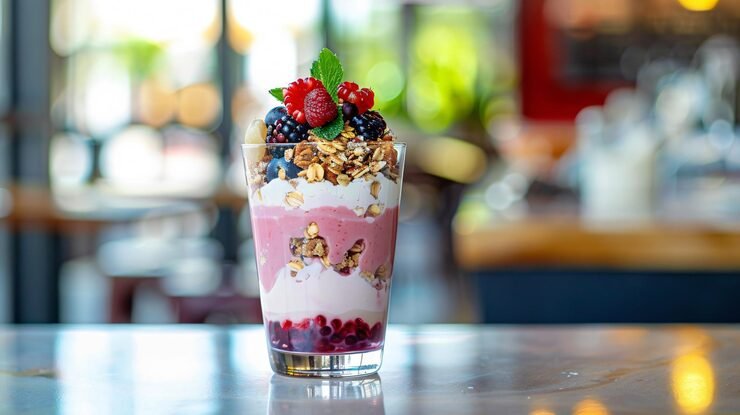
Pour the smoothie into a clean glass or reusable bottle carefully, making sure not to spill any. Serving it immediately ensures that you enjoy the smoothie at its freshest, with the best flavor, color and texture. Freshly made smoothies retain all their nutrients, vitamins and natural sweetness. If you wait too long, the texture may become watery and the taste may slightly change.
For an extra touch, you can garnish with a slice of fruit, a few berries, or a sprinkle of chia seeds on top. Drinking it right away gives the best overall experience and maximum health benefits.
Cooking Tips for the Perfect Smoothie Without Milk
- Always use ripe bananas for natural creaminess
- Frozen fruits give a thick texture without dairy
- Start with less liquid and add more gradually
- Blend longer for a smoother result
- Avoid too much sweetener; fruits are enough
- Drink immediately to keep nutrients fresh
These tips help improve taste and consistency every time.
Variations (Optional)
One recipe can be changed in many ways. Below are some popular smoothie variations without milk.
1. Green Smoothie Without Milk
Ingredients:
- Banana
- Spinach or kale
- Apple
- Water or coconut water
This smoothie is rich in fiber and vitamins. It is perfect for detox and digestion.
2. Protein Smoothie Without Milk
Ingredients:
- Banana
- Peanut butter
- Chia seeds
- Dates
- Water
This smoothie is ideal for workouts and muscle recovery.
3. Tropical Smoothie
Ingredients:
- Mango
- Pineapple
- Banana
- Coconut water
This smoothie tastes fresh and refreshing, perfect for summer.
4. Weight-Loss Smoothie
Ingredients:
- Mixed berries
- Lemon juice
- Chia seeds
- Water
Low in calories and high in fiber.
5. Kids-Friendly Smoothie
Ingredients:
- Banana
- Strawberries
- Honey
- Ice
Sweet, colorful and healthy for children.
Serving & Storage Tips
Smoothies taste best when fresh, but sometimes storage is needed.
Serving Tips
- Serve immediately after blending
- Use glass cups or reusable bottles
- Garnish with fruits or seeds
Storage Tips
- Store in refrigerator for up to 24 hours
- Shake before drinking
- Do not store at room temperature
- Avoid freezing for long periods
Nutrition Information (Approximate)
Per one serving smoothie:
- Calories: 180–250 kcal
- Carbohydrates: 35–45 g
- Fiber: 5–8 g
- Protein: 3–6 g
- Fat: 4–7 g
- Sugar: Natural fruit sugars
Nutrition values depend on fruits and add-ons used.
Frequently Asked Questions (FAQs)
1. Can I really make a smoothie without milk?
Yes. Milk is optional. You can make a delicious and creamy smoothie using just fruits, water, and natural sweeteners without losing flavor.
2. What replaces milk in smoothies?
Water, coconut water, fruit juice or bananas work perfectly as milk replacements, providing liquid, natural sweetness and a smooth texture.
3. Are milk-free smoothies healthy?
Yes. Milk-free smoothies are light, easy to digest, and packed with vitamins, fiber and antioxidants from fresh fruits.
4. Is a smoothie without milk good for breakfast?
Yes. Add fruits, seeds or nut butter to create a balanced smoothie that gives energy, protein and fiber to start your day.
5. Can I drink milk-free smoothies daily?
Yes. Using fresh fruits, vegetables and seeds, milk-free smoothies are safe and healthy to enjoy every day.
Conclusion
In 2026, making a smoothie without milk is not just a passing trend; it has become a conscious and healthy lifestyle choice for many people around the world. Milk-free smoothies are incredibly easy to prepare, highly flexible, and suitable for everyone, including vegans, people with lactose intolerance, those with milk allergies, and anyone looking to reduce dairy in their diet. They are not only refreshing and delicious but also packed with essential nutrients, vitamins and natural energy that your body needs to stay active and healthy throughout the day.
By using fresh or frozen fruits, water, coconut water, seeds and other natural ingredients, you can create a wide variety of smoothies that are creamy, flavorful and completely dairy-free. The best part is that these smoothies can be customized according to your taste, dietary needs or available ingredients. You can make them sweet, tangy, tropical or even green and healthy.
This complete guide on how to make a smoothie without milk provides all the steps, tips, variations and nutritional insights you need to start your milk-free smoothie journey today. Experiment with different fruits, add healthy seeds and try multiple combinations to discover your favorite flavors. By incorporating milk-free smoothies into your daily routine, you not only enjoy a delicious treat but also support a healthier, lighter, and more sustainable lifestyle. So, grab your blender, get creative and enjoy a nutritious milk-free smoothie every day it’s simple, tasty and beneficial for your overall well-being.