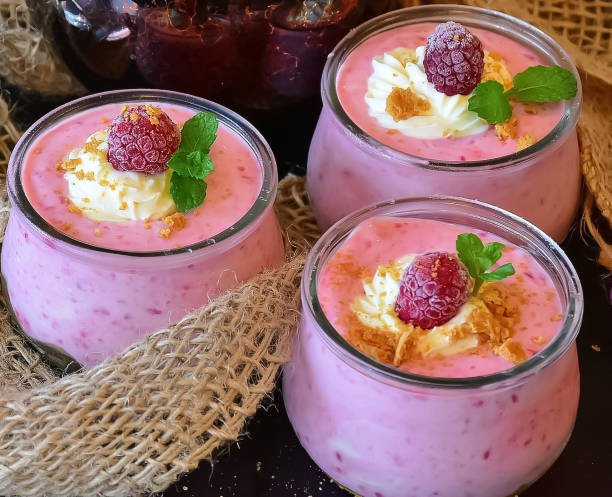
Sugar-Free Dessert Recipes for Beginners Healthy Sweet Options
Introduction
Desserts are loved by people of all ages, and they are often linked with comfort, celebration, and happiness. However, regular desserts usually contain a high amount of refined sugar. Too much can lead to weight gain, diabetes, low energy levels and other long-term health problems. Because of these concerns, many health-conscious people are now searching for sugar-free dessert recipes that allow them to enjoy sweetness without negative effects on their bodies.
Sugar-free dessert recipes for beginners are an excellent choice for anyone who wants to enjoy sweets while maintaining a healthy lifestyle. These recipes are simple, easy to follow and do not require professional cooking skills or special equipment. They focus on natural sweeteners and nutritious ingredients that are easily available in most kitchens.
In this article, you will learn how to prepare healthy sweet options at home with confidence. Each recipe is beginner-friendly and explained step by step. If you want to reduce intake, manage blood levels or follow clean eating habits, these desserts offer a tasty and satisfying solution.

Ingredients List (Common Ingredients Used)
Most sugar-free desserts use simple and healthy ingredients. Below is a list of commonly used items that beginners can easily find:
- Natural sweeteners (stevia, monk fruit, erythritol)
- Unsweetened cocoa powder
- Fresh fruits (bananas, apples, berries)
- Rolled oats
- Almond flour or oat flour
- Unsweetened almond milk or coconut milk
- Greek yogurt (plain and unsweetened)
- Coconut oil or olive oil
- Peanut butter (no added sugar)
- Nuts and seeds (almonds, walnuts, chia seeds)
- Vanilla extract
- Cinnamon powder
These ingredients help create desserts that are tasty, filling, and healthy without using refined.
Step-by-Step Cooking Method
Recipe 1: Sugar-Free Chocolate Mug Cake
This is one of the easiest sugar-free dessert recipes for beginners. It is quick, soft, and perfect for chocolate lovers.
Ingredients:
- 4 tablespoons oat flour
- 2 tablespoons unsweetened cocoa powder
- 1 tablespoon sugar-free sweetener
- ¼ teaspoon baking powder
- 4 tablespoons almond milk
- 1 tablespoon coconut oil
Steps:
- Take a clean microwave-safe mug.
- Add oat flour, cocoa powder, sweetener, and baking powder.
- Mix all dry ingredients thoroughly.
- Add almond milk and coconut oil.
- Stir until the batter becomes smooth.
- Microwave for 60 to 90 seconds.
- Check texture and cook 10 more seconds if needed.
- Let it cool for one minute before eating.
Recipe 2: Sugar-Free Banana Oat Cookies
These cookies are soft, naturally sweet, and ideal for beginners who want a baked dessert.
Ingredients:
- 2 ripe bananas
- 1 cup rolled oats
- 1 teaspoon cinnamon powder
- 2 tablespoons chopped nuts
Steps:
- Preheat the oven to 180°C (350°F).
- Mash bananas in a bowl until smooth.
- Add oats, cinnamon, and nuts.
- Mix well to form a thick mixture.
- Line a baking tray with parchment paper.
- Scoop small portions and shape cookies.
- Bake for 15–18 minutes.
- Allow cookies to cool before serving.
Recipe 3: Sugar-Free Yogurt Berry Dessert
This dessert is light, refreshing, and perfect for hot days.
Ingredients:
- 1 cup Greek yogurt (unsweetened)
- ½ cup mixed berries
- 1 tablespoon sugar-free sweetener
- ½ teaspoon vanilla extract
Steps:
- Add yogurt to a mixing bowl.
- Stir in sweetener and vanilla extract.
- Wash and add fresh berries on top.
- Mix gently or layer for presentation.
- Refrigerate for 15–20 minutes.
- Serve chilled.
Cooking Tips
- Always use ripe fruits to enhance natural sweetness.
- Start with a small amount of sweetener and adjust slowly.
- Mix ingredients properly to avoid lumps.
- Do not overcook desserts, especially in the microwave.
- Allow desserts to cool slightly for better texture and taste.
- Read labels to ensure ingredients are truly sugar-free.
Variations (Optional)
Add Sugar-Free Dark Chocolate Chips
You can add sugar-free dark chocolate chips to improve flavor and texture. They give a rich chocolate taste without adding. This option is perfect for chocolate lovers who want a healthier dessert while keeping calories under control.
Use Coconut Yogurt for a Dairy-Free Version
Coconut yogurt is a great substitute for regular yogurt if you are lactose intolerant or follow a dairy-free diet. It adds a mild coconut flavor and creamy texture while keeping the dessert light, refreshing and completely sugar-free.
Replace Oats with Almond Flour
For a low-carb or keto-friendly option, replace oats with almond flour. Almond flour is rich in healthy fats and protein. It also gives desserts a soft texture and nutty flavor, making them more filling and satisfying.
Add Peanut Butter for Extra Protein
Adding natural peanut butter increases protein content and adds richness to sugar-free desserts. Make sure to use peanut butter without added sugar. This variation is ideal for people who want a more filling dessert or post-workout treat.
Sprinkle Chia Seeds for Extra Fiber
Chia seeds are a great source of fiber and healthy fats. Sprinkling them into desserts improves nutrition and helps with digestion. They also add a slight crunch and help you feel full for a longer time.
These variations allow you to customize sugar-free dessert recipes based on your taste, dietary needs and health goals without losing flavor or quality.
Serving & Storage Tips
- Serve desserts fresh for best taste and texture.
- Store baked desserts in airtight containers.
- Keep cookies and cakes refrigerated for up to 3 days.
- Yogurt-based desserts should be eaten within 24 hours.
- Reheat mug cake slightly before serving.
- Avoid freezing soft desserts as the texture may change.
Nutrition Information (Approx Per Serving)
- Calories: 120–180 kcal
- Sugar: 0–2 grams
- Protein: 5–9 grams
- Fiber: 3–6 grams
- Fat: 6–10 grams
Nutrition values may vary depending on ingredients and portion size.

Frequently Asked Questions (FAQs)
1. Are sugar-free dessert recipes good for beginners?
Yes. These recipes are simple, require few ingredients, and are easy to prepare.
2. Can I use honey instead of sugar?
Honey is natural but still contains. For sugar-free desserts, use stevia or monk fruit.
3. Are sugar-free desserts safe for diabetics?
Most are safe, but portion control and ingredient checking are important.
4. Do sugar-free desserts help with weight loss?
Yes. They reduce intake and help manage calorie consumption.
5. Can kids eat sugar-free desserts?
Yes. When made with natural sweeteners, they are safe for children.
Conclusion
Sugar-free dessert recipes for beginners provide a wonderful and healthy alternative to traditional treats. They allow anyone, regardless of cooking experience, to enjoy sweet flavors without feeling guilty about intake. These recipes are not only easy to follow but also use simple, natural ingredients that are widely available, making them perfect for home cooking.
By choosing sugar-free desserts, you can maintain a healthier lifestyle while still satisfying your sweet cravings. They are ideal for people who are watching their weight, managing diabetes, or simply trying to eat cleaner and healthier. The best part is that these recipes are versatile, so you can experiment with fruits, nuts and natural sweeteners to create your own favorite treats.
Starting with simple recipes helps build confidence in the kitchen. Over time, you can explore more variations and even invent new sugar-free desserts. Enjoy these healthy sweet options, share them with your family and friends and make dessert time a guilt-free, delightful experience.